

Click HERE To Buy Methocarbamol Online ↓
 How Methocarbamol Works: a Deep Dive into Its Mechanism
Unveiling Methocarbamol: What It Is and Isn't
Methocarbamol emerges from the pharmacy shelves, often behind "The Vault," with a script in hand, ready to play its role as a muscle relaxant. Unlike narcs that delve into the body’s pain pathways, methocarbamol sidesteps into a realm where it tackles muscle discomfort without heavy sedation. It doesn’t leech into the bloodstream via IV push, nor does it carry the hangover typical of stronger concoctions. This compound medication is distinctive, offering relief without the "zombie pills" effect.
| Characteristic | Methocarbamol |
|---|---|
| Form | Tablet |
| Usage | Muscle Relaxant |
| Administered | Oral |
| Sedative Effect | Minimal |
Tracing the Journey: Methocarbamol's Path in the Body

Once methocarbamol enters the system, its journey begins akin to a script of a well-orchestrated play unfolding in the body. Initially, the compound medication is absorbed through the gastrointestinal tract, then seamlessly enters the bloodstream. Like a skilled dance, methocarbamol distributes itself, aiming directly at the central nervous system. Upon arrival, it moves quickly to achieve its therapeutic effects, although the precise mechanisms remain a bit of a mystery to researchers. This fast action is comparable to an IV push in terms of efficiency, as methocarbamol embarks on its task—delivering muscle relaxation with precision, offering patients relief from discomfort.
Relaxation Realized: How Methocarbamol Eases Muscles
When you find yourself reaching for a script to ease the tension of a muscle spasm, methocarbamol often comes into play, casting its magic over strained muscles. By targeting the central nervous system, methocarbamol interferes with nerve impulses that contribute to muscle tightness, effectively acting as a relaxation mediator for your muscles. However, unlike the typical happy pills that influence mood, methocarbamol doesn’t alter the mood but focuses on the physical strain.
This compound medication works its magic by essentially modulating the neurological signals that prompt muscle contractions. As muscles tend to tighten under stress or injury, methocarbamol serves as an intervention, soothing the contractions and thereby facilitating muscle relaxation. It’s like a comforting elixir, creating a soothing sensation in your body without sending you into the twilight zone of sedation.
Crucial to its effectiveness is methocarbamol's ability to provide relief without the complete muscle paralysis that narcotics might induce. It accomplishes this by mingling with the neural pathways— a gentle persuasion rather than a forceful takeover. In real-world applications, whether at home or amidst the chaos of a pharm party, methocarbamol provides relief, allowing patients the freedom to move without the encumbrance of tight, painful muscle scenarios.
The Brain's Role in Methocarbamol's Magic
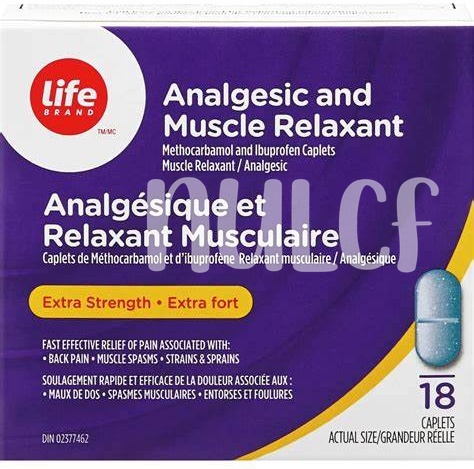
Methocarbamol’s journey to muscle relaxation is guided, in part, by the brain, where it potentially influences neuronal processes that govern muscle activity. Once in the system, this compound interacts with the central nervous system, though it doesn't act directly on the muscles themselves. By modulating signals that can cause muscle tension, methocarbamol helps create a cascade of relaxation. It's like a trusted pharm tech, ensuring muscles receive the right sig for calming down without causing stat sedation or turning them into zombie pills.
Breaking down Methocarbamol: Chemical Composition and Properties
Methocarbamol exhibits intriguing properties that contribute to its therapeutic effects. As a comp, its chemical backbone is structured to target the central nervous system. This connectivity allows methocarbamol to interact seamlessly, achieving a stat onset of muscle relaxation. Unlike narcs, it doesn't dull the senses but rather approximates muscle woes through synaptic modulations, providing users a scrip for relief without the hangover of strong sedatives. Its unique properties make it a frequent selection in the top 200 prescriptions.
| Chemical Attribute | Description |
|---|---|
| Molecular Formula | C11H15NO2 |
| Molecular Weight | 181.24 g/mol |
| Solubility | Slightly soluble in water |
Methocarbamol's composition includes a unique dual benzene ring that imparts flexibility, enabling it to bind extracellularly and intercellularly. This formulation leads to its rapid absorption, mitigating unwanted side effects, keeping it out of the red flag zone. Moreover, its solubility properties allow it to distribute evenly in the body, maximizing its muscle-relaxing efficacy without the reliance on opiates or other strong relaxants.
Exploring its pharmacokinetics, methocarbamol's reliability is evident. It efficiently travels through the body while maintaining minimal interaction with the blood-brain barrier, thus enhancing muscular relief via peripheral pathways. Such selective targeting minimizes pill burden, offering effectiveness without excessive dosage. With features that enhance patient compliance, healthcare providers often rely on methocarbamol as a standard sig in prescriptions for muscle spasm treatments.
Common Uses and Effects: Real-world Methocarbamol Applications
Methocarbamol, a staple in the landscape of muscle relaxants, is often found at the heart of scripts where acute musculoskeletal pain demands attention. This compound medication is typically used to relieve the discomfort associated with strains, sprains, and other muscle injuries. Its ability to ease muscle spasms has made it a popular choice in physical therapy settings, enhancing the recovery journey for many. For patients seeking quick relief, the directions, or sig, on their prescription may specify doses to be taken at regular intervals, ensuring a steady level of medication in the bloodstream.
Beyond the treatment of injuries, methocarbamol finds its place alongside other medications as part of a cocktail aimed at managing chronic conditions like fibromyalgia. Although not intended as a primary therapy, it supports a comprehensive pain management plan. In these real-world applications, the medication's side effects, often referred to as the hangover, must be monitored closely to optimize therapeutic benefits while minimizing discomfort. Whether used stat in acute scenarios or as a long-term treatment option, methocarbamol plays a crucial role in the pain relief arsenal.